
Types of Injuries : MCL&LCL

Disclaimer : This article was written by Dr. Evan Jeffries, PT, DPT. This content is provided for general informational purposes only and does not constitute medical advice, diagnosis, or treatment. The information does not guarantee specific results or effectiveness for any particular symptoms or conditions. If you are experiencing persistent symptoms or have concerns about your health, please consult a qualified healthcare professional.
What is an MCL or LCL injury?
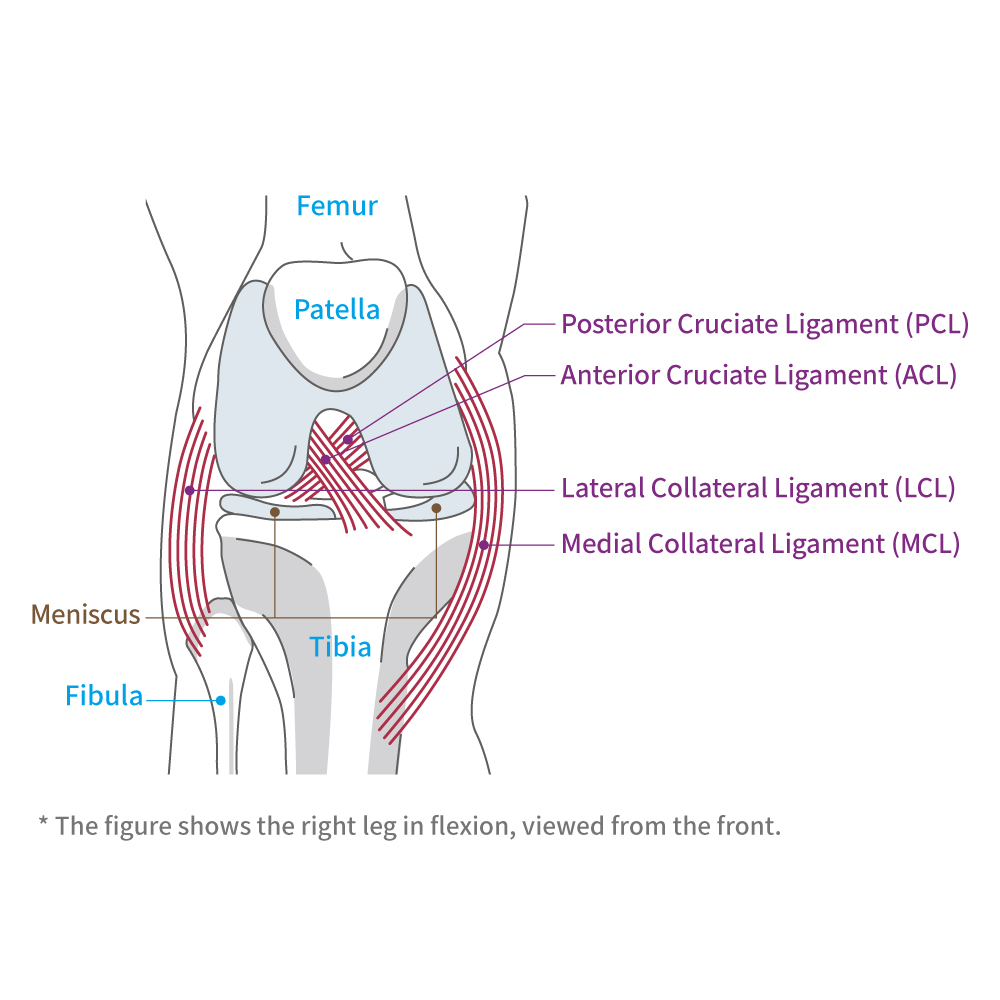
The Medial Collateral Ligament (MCL) is a broad ligament on the inner side of the knee joint. It helps stabilize the knee by preventing excessive forces from the outside to the inside part of the knee. It also connects the thighbone (femur) to the shinbone (tibia) providing max stability with the other ligaments of the knee.
The Lateral Collateral ligament (LCL) is a thinner ligament on the outside part of the knee joint. Similar to the MCL it helps stabilize the knee joint and prevents excessive forces from the inside to the outside part of the knee. It also connects the thighbone (femur) to the shinbone (tibia) providing max stability with the other ligaments of the knee.
An MCL injury or LCL injury is called a sprain. This is when the ligaments involve stretch or tear due to excessive force or trauma. They can range from mild to severe, causing pain, swelling, and instability in the knee joint.
Why does it happen?
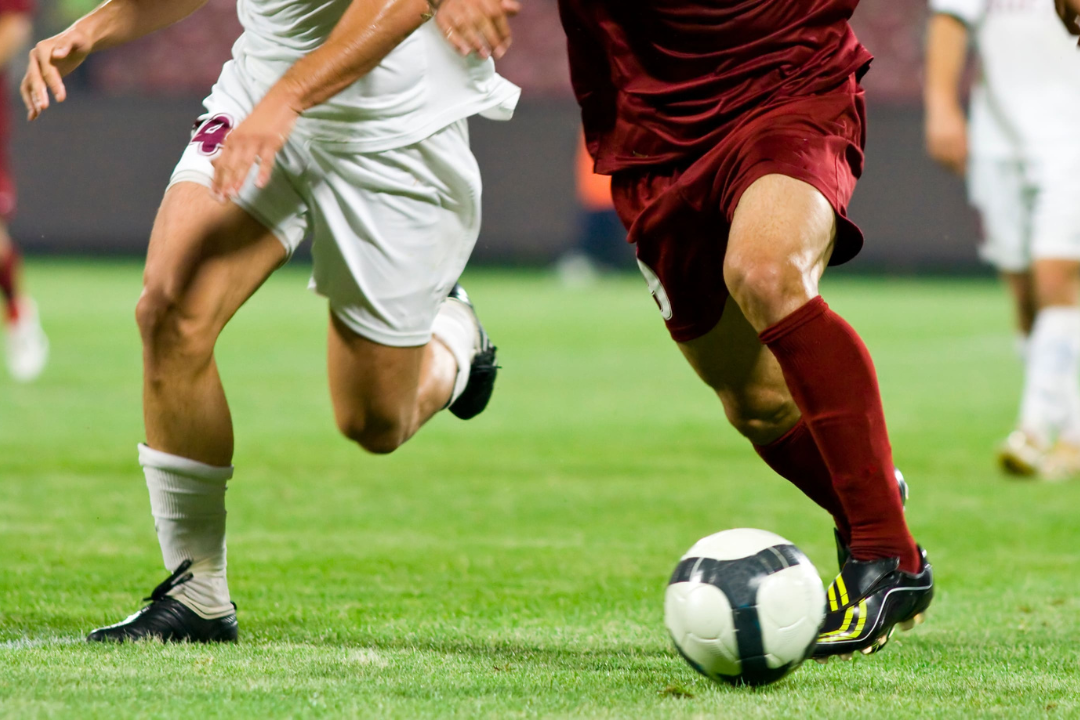
MCL or LCL injuries commonly occur in sports that involve sudden changes in direction, twisting or rotating movements, and traumatic direct blows to the knee. Sports where these injuries are frequently seen include:
1.Soccer
2.Football
3.Basketball
4.Skiing
5.Hockey
A knee sprain otherwise known as an MCL or LCL injury can happen during activities such as:
・Tackling or being tackled in football with a direct hit to the knee from the outside or inside
・Sudden stops or changes in direction in sports like basketball or soccer
・Collisions or impacts during hockey or skiing
During these conditions the ligament can stretch beyond its normal range and tear partially or completely.
What are the symptoms?
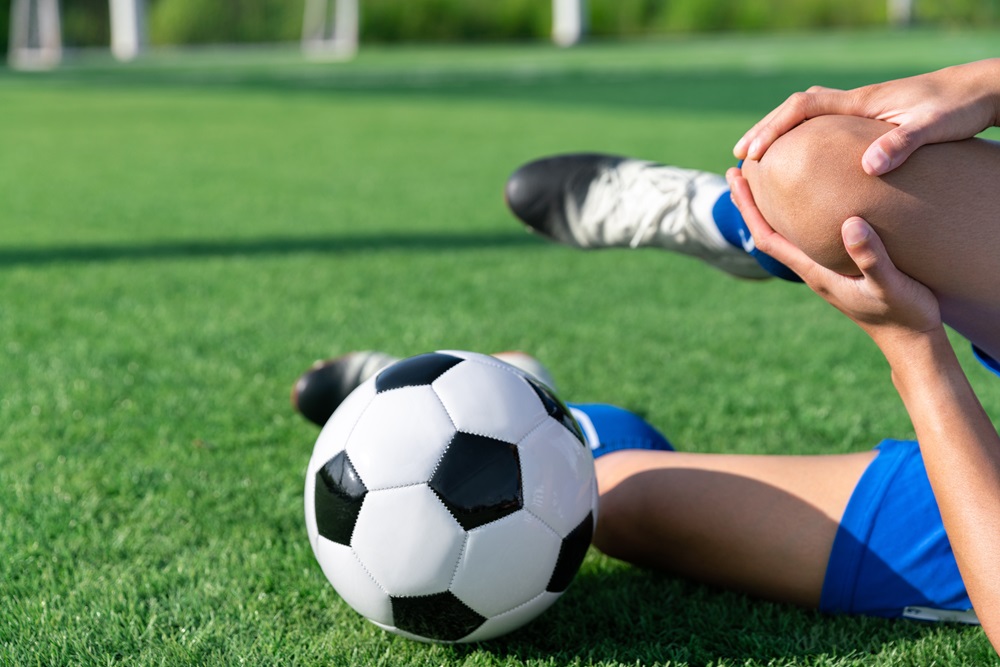
For any knee injury the symptoms can vary drastically depending on the severity of the knee sprain. Symptoms of an MCL or LCL sprain typically include:
1.Swelling and tenderness to touch around the inside part of the knee (MCL) or the outside part of the knee (LCL).
2.Pain along the inner (MCL) or outer (LCL) side of the knee.
3.Instability or feeling like the knee is giving way.
4.Difficulty with walking or bearing weight because of the pain. This is where a knee brace, knee support, knee compression help. MCL knee brace and LCL knee brace are typically made for athletes especially in sports like football.
5.Bruising around the knee joint in moderate to severe cases.
6.Stiffness in the knee joint which limits range of motion.
7.A popping or tearing sensation at the time of injury.
One the main reasons why symptoms can vary is because of the severity of the knee injury or knee sprain. Severity is determined by grade levels:
Grade I: Mild knee sprain involving stretching of the MCL or LCL ligament with minimal tearing. A sports knee brace comes in handy during this time.
Grade II: Moderate knee sprain characterized by partial tearing of the MCL or LCL ligament. This takes time to heal and having a knee protector such as a knee brace is important during this time of healing.
Grade III: Severe knee sprain involving complete tear of the MCL or LCL ligament. This is typically very challenging and sometimes surgery is warranted during these cases.
How Long Does it Take to Heal?
The time it takes for an MCL or LCL sprain to heal can vary depending on severity of the knee injury. A general timeline of healing is based on the grade of knee sprain.
Grade I: Mild knee sprain is typically 1-3 weeks with appropriate treatment and protection during this time period. An MCL brace or LCL brace can be important when returning to sports
Grade II: Moderate knee sprains usually take around 4-6 weeks to heal depending on treatment schedule and appropriate knee protection during this period of time.
Grade III: Severe knee sprains may take more than 8 weeks to multiple months to fully heal. Depending on extent of damage and sports surgery might be warranted. If treated conservative without surgery max protection is needed with a MCL or LCL knee brace.
TREATMENT
1. Physical Therapy
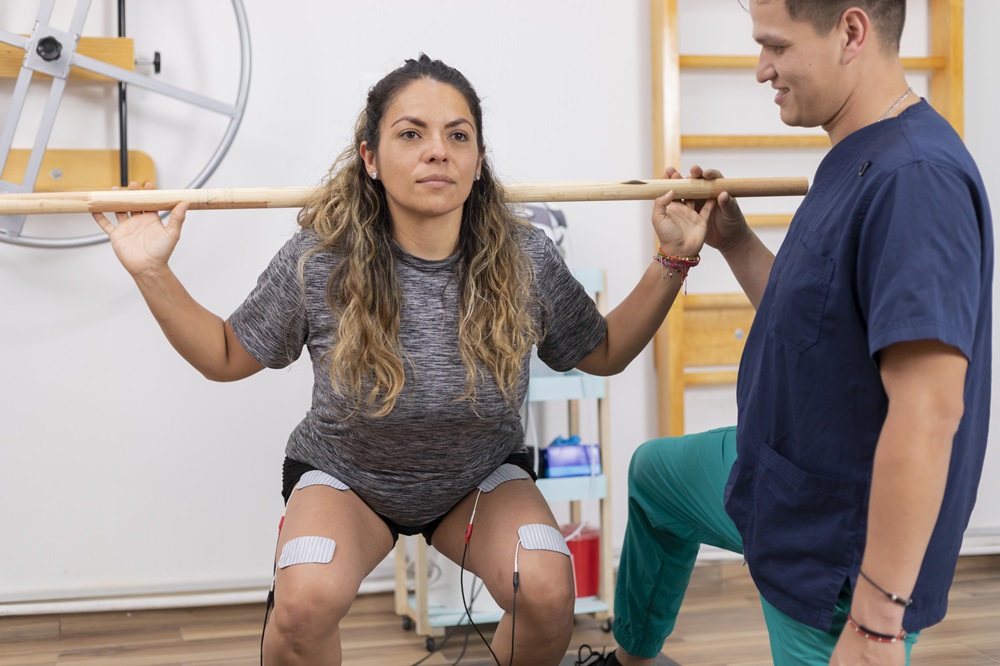
After suffering an MCL tear or LCL tear, physical therapy is going to be initiated right away to reduce swelling, pain, and stiffness. The key to healing will be reducing inflammation, gaining full range of motion, and increasing strength of the affected limb without losing strength of the unaffected limb.
2. Surgery
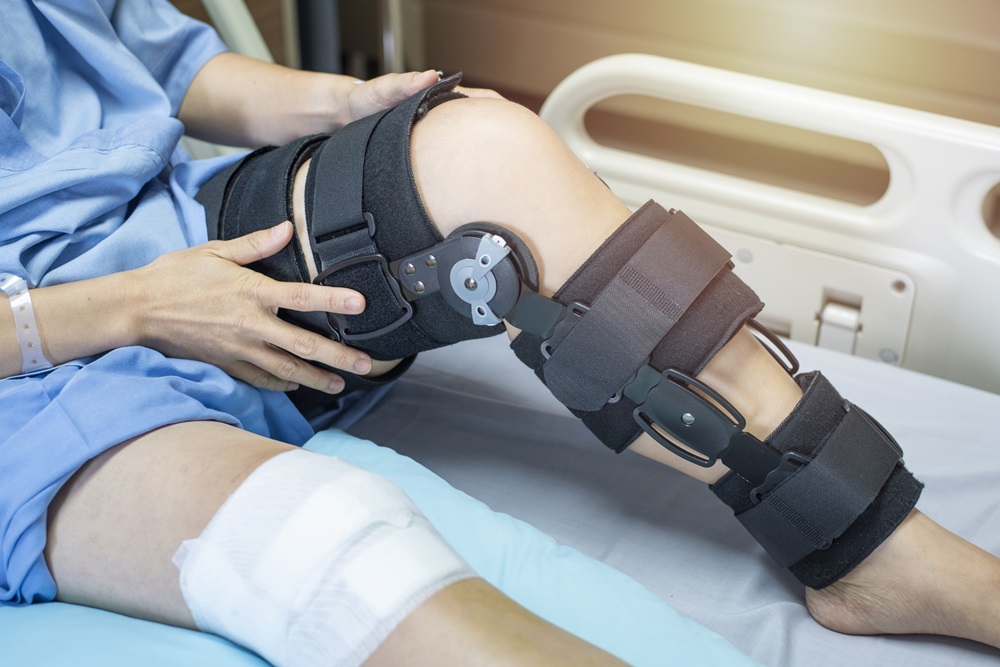
For severe MCL or LCL sprains involving full tears (Grade III) surgery can be an option to heal and return to sports. The surgeon has a few options of doing a repair or reconstruction. A repair is used when there is viable tissue to reattach the torn ligaments back to the bone. A reconstruction would be used when the ligament cannot be adequately repaired, and the surgeon will replace the damaged ligament with a graft. After surgery a knee stabilizer (immobilizer) will be needed.
3. Return to sport exercises
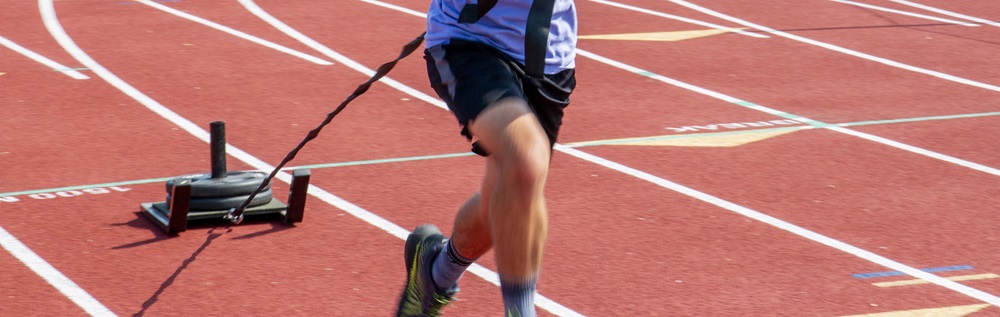
After a knee sprain or surgery from an MCL or LCL tear the patient will undergo physical therapy and then will need to perform return to sport exercises in order to feel mentally and physically prepared for their sport of choice. This often is the hardest step because the person is typically ready to return but not confident in dynamic movements. It is important to prepare the body for dynamic movements of the sport they want to return to.
PT, DPT, MS
Evan Jeffries
EVAN JEFFRIES is a physical therapist with a Doctorate in Physical Therapy (DPT) from the University of St. Augustine for Health Sciences. He has vast knowledge of the musculoskeletal system and has treated many orthopedic conditions by bringing a proactive approach to healthcare and lifestyle.


