
Types of Injuries : GOLFER'S ELBOW
Disclaimer : This article was written by Dr. Evan Jeffries, PT, DPT. This content is provided for general informational purposes only and does not constitute medical advice, diagnosis, or treatment. The information does not guarantee specific results or effectiveness for any particular symptoms or conditions. If you are experiencing persistent symptoms or have concerns about your health, please consult a qualified healthcare professional.
What is golfer’s elbow?
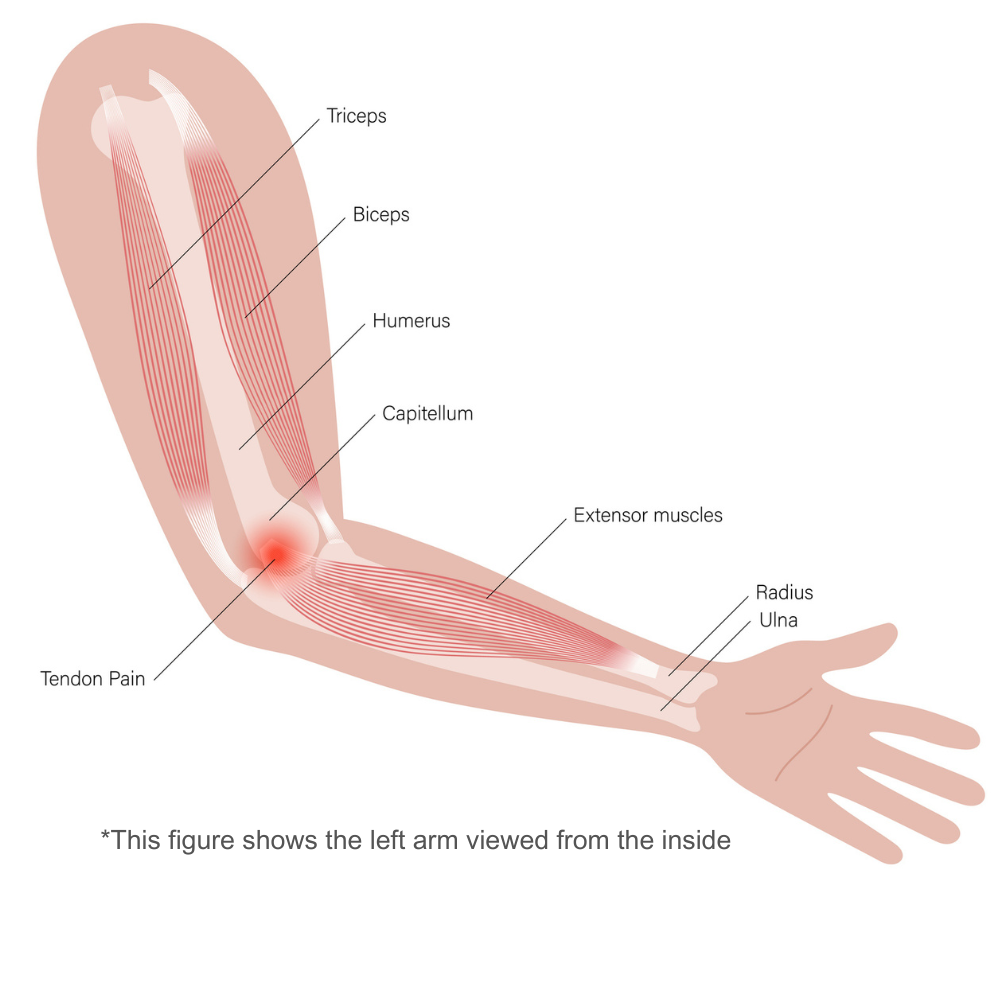
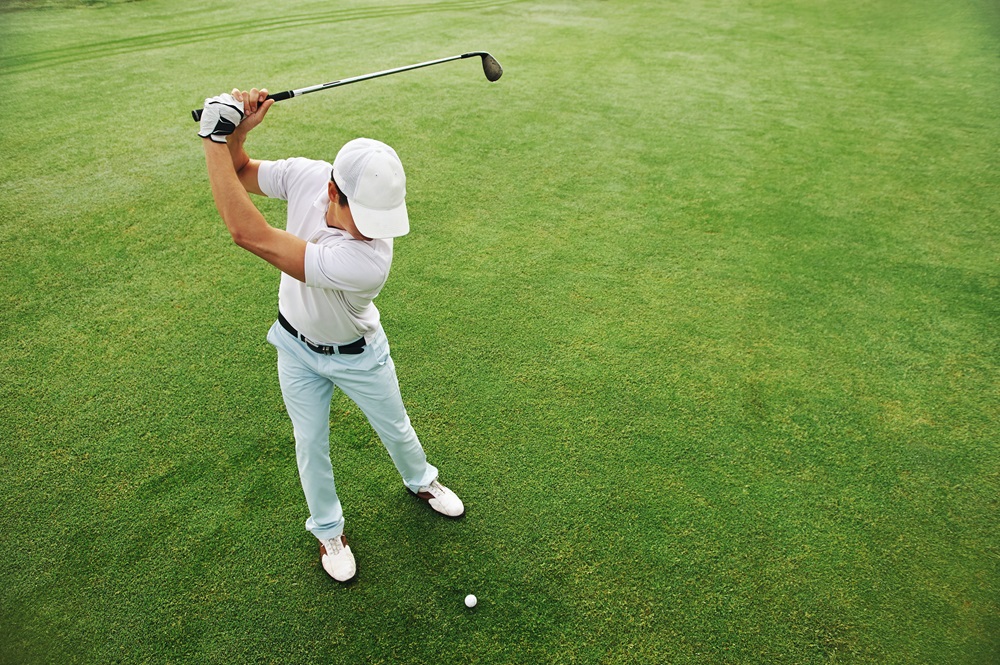
Golfer’s elbow otherwise known as medial epicondylitis is a condition that affects the inside part of the elbow (medial) causing pain and inflammation to the tendon. The tendons from the forearm attach to the inside part of the elbow get irritated by repetitive movements and overuse from activities such as golf, weightlifting or other racket sports. This is different than an elbow sprain because a sprain affects the ligaments. Also, it is the direct opposite of tennis elbow which affects the outside part of the elbow.
Risks factors typically include the following:
1. Repetitive activities: Engaging in activities that include repetitive wrist flexion and turning of the wrist such as, golf, weightlifting and throwing sports.
2. Age: Typically occurs in an aged demographic that is older (40 and above)
3. Occupation: Jobs that require repetitive motions of wrist flexion and turning and twisting.
Why does it happen?
Activities that require the same pattern over and over can lead to repetitive stress onto a muscle and/or tendon. Golfer’s elbow happens due to repetitive stress and overuse of the tendons that attach to the inside part of the elbow. Ultimately, this stress can lead to microtears and inflammation causing pain and tenderness.
Sports that you usually see this type of condition typically involve a racket or throwing an object. Golf because of the repetitive gripping and swinging. Racket sports like tennis and squash will involve repetitive wrist flexion movements. Weightlifting is another activity that can cause tendonitis because of lifts like biceps curls and wrist curls. Throwing sports such as baseball can cause stress onto the tendon because of the repetitive throws
What are the symptoms?
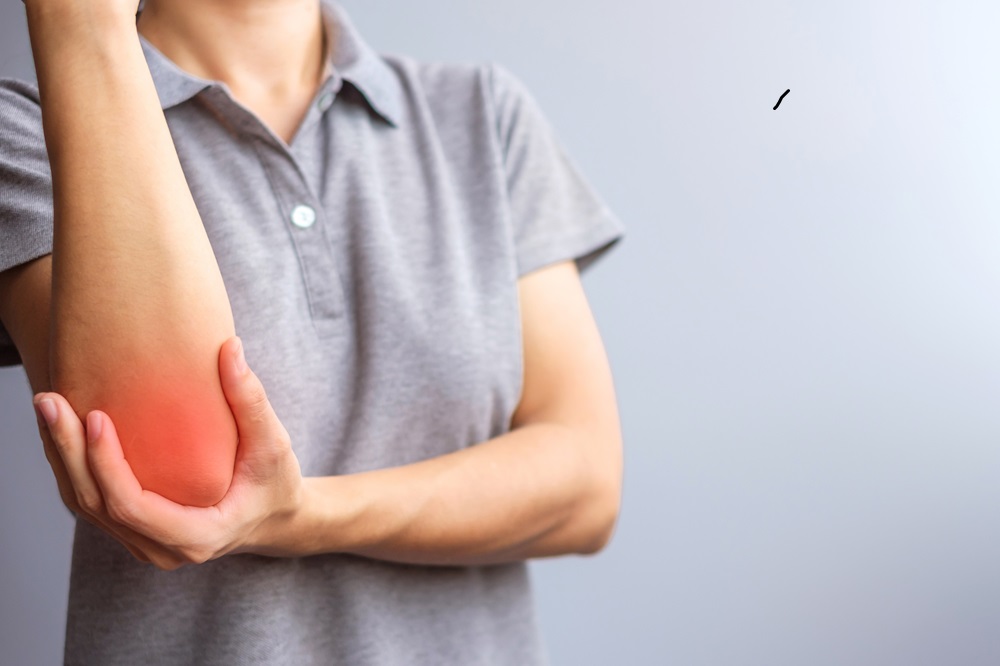
Symptoms of Golfer’s elbow can vary based on severity and stage of tendonitis. The main symptoms of golfer’s elbow include:
1.Pain and tenderness: Typically, a dull ache or sharp pain on the inside of the elbow. This can also go down the forearm as well. Is usually made worst when doing the activity that created the issue.
2.Numbness and tingling: Because of the swelling at the elbow joint numbness and tingling can occur into the hand usually on the ring finger or pinky. The swelling can create pressure onto the nerve at the elbow joint.
3.Weakness: Often times people will experience weakness with grip or making a fist might hurt. Difficulty with gripping items might occur.
4.Stiffness: Because of the swelling at the elbow joint the elbow might feel stiff when trying move into certain range of motions.
Symptoms are dependent on the severity of injury can vary depending on what stage the injury is in.
How Long Does it Take to Heal?

Healing time might vary depending on severity of the condition. It can range depending on mild, moderate or severe cases.
1.Mild cases: Typically starts with minimal pain but can be nagging and if left untreated can turn into something more serious. If there is a proactive approach, mild cases can take a couple of weeks to heal. Proactive approaches such as brace for golfer’s elbow, or elbow pad can help during this phase.
2.Moderate cases: Healing time can vary from weeks to months.
3.Severe cases: This can lead to chronic conditions of golfer’s elbow which may take months to a year to heal.
TREATMENT
Treatment options for Golfer’s elbow include a combination of conservative treatments aimed at reducing pain and tenderness. The following are three treatment options.
1. Rest and bracing
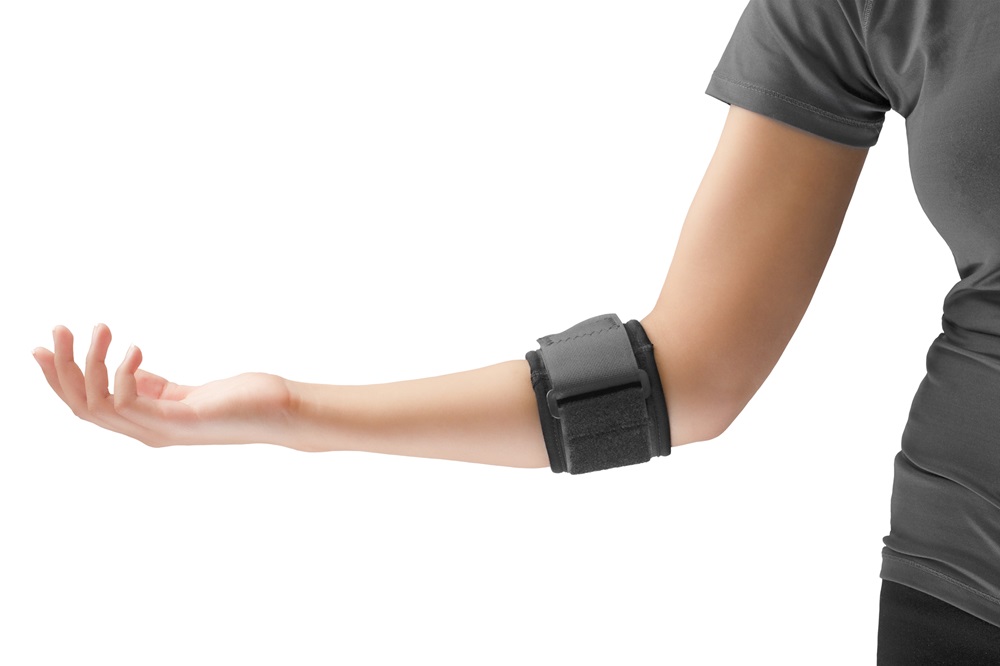
Avoiding or reducing activities that caused the pain, will allow the tendon to heal. Wearing and elbow band for golfer’s or some sort of elbow brace or elbow guard can reduce force onto the tendon.
2. Physical Therapy

Having a proper evaluation that a physical therapist can perform can shed some light on activities or body mechanics someone might need to learn. Having a physical therapist create a tailored program specific with exercise for golfer’s elbow can help with strengthening and mobility training reducing stress onto the elbow and help with healing.
3. Non-invasive treatment

When elbow braces and physical therapy is not enough, and pain is persistent non-invasive treatment can be an option with a physician. Injection such as corticosteroid injections, Platelet-Rich Plasma (PRP), Prolotherapy can all be options to manage pain.
PT, DPT, MS
Evan Jeffries
EVAN JEFFRIES is a physical therapist with a Doctorate in Physical Therapy (DPT) from the University of St. Augustine for Health Sciences. He has vast knowledge of the musculoskeletal system and has treated many orthopedic conditions by bringing a proactive approach to healthcare and lifestyle.


